
Signal from the studio.
Transmissions from inside the work - retrospectives from shows we've built, tool deep-dives, arguments about craft, and dispatches on where immersive technology is going next.
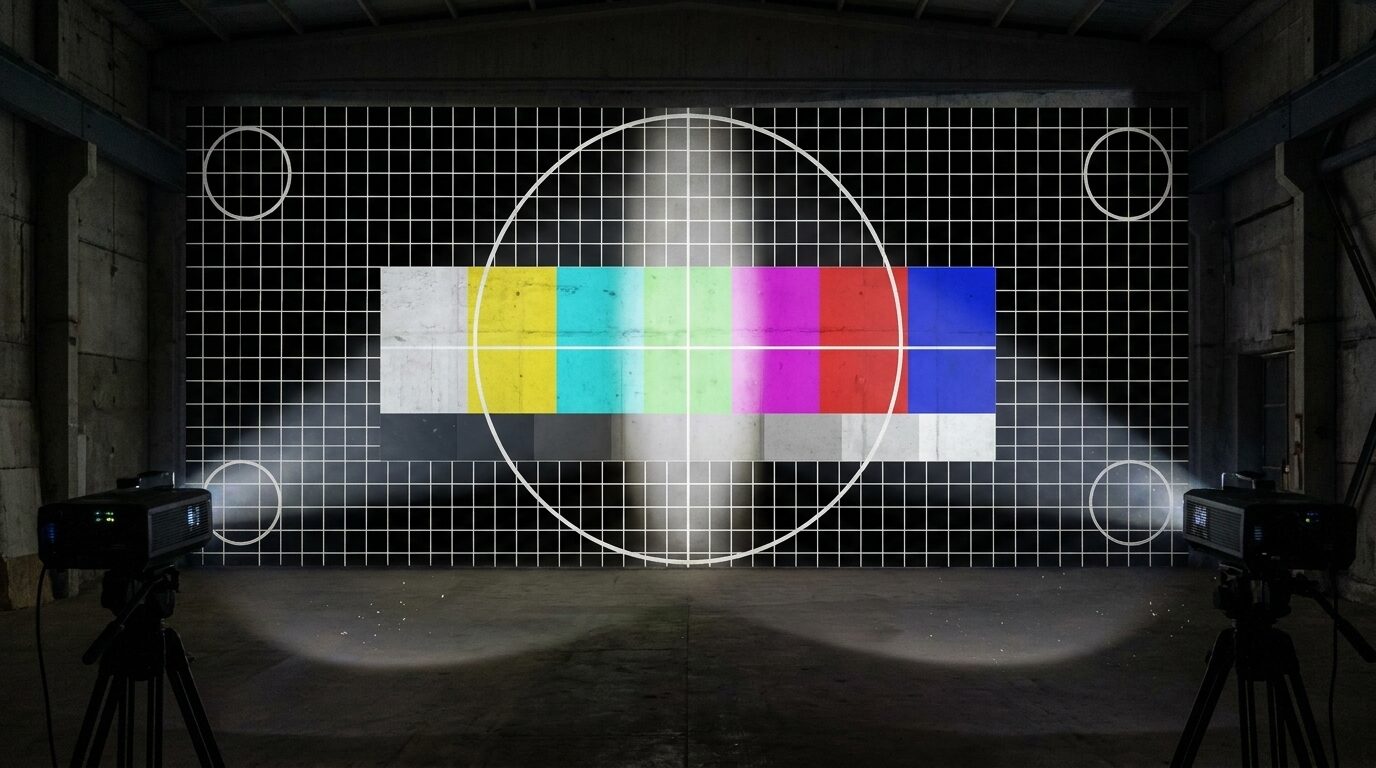
Edge blending and warping: how six projectors become one image
Every dome and large mapping job is several projectors pretending to be one. Here's how edge blending and warping actually work - overlap math, gamma, the black-level problem, and why calibration is a nightly job, not a one-time setup.
READ →No transmissions match your filter.
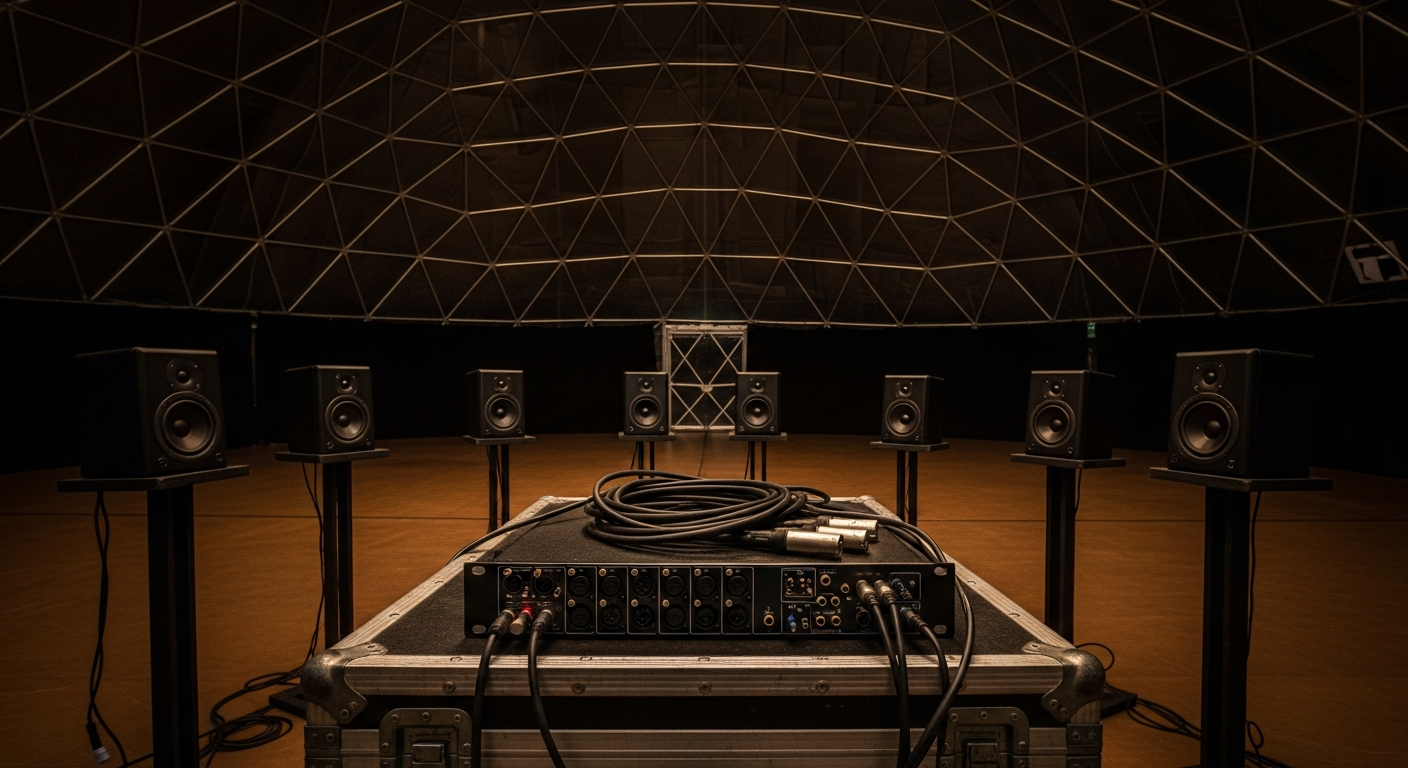
Spatial audio is half the immersion, and most installations get it wrong
Every immersive room budget over-indexes on pixels and under-indexes on sound. Here's how spatial audio actually works in domes and installations - formats, speaker layouts, sync, and the geometry problems nobody warns you about.
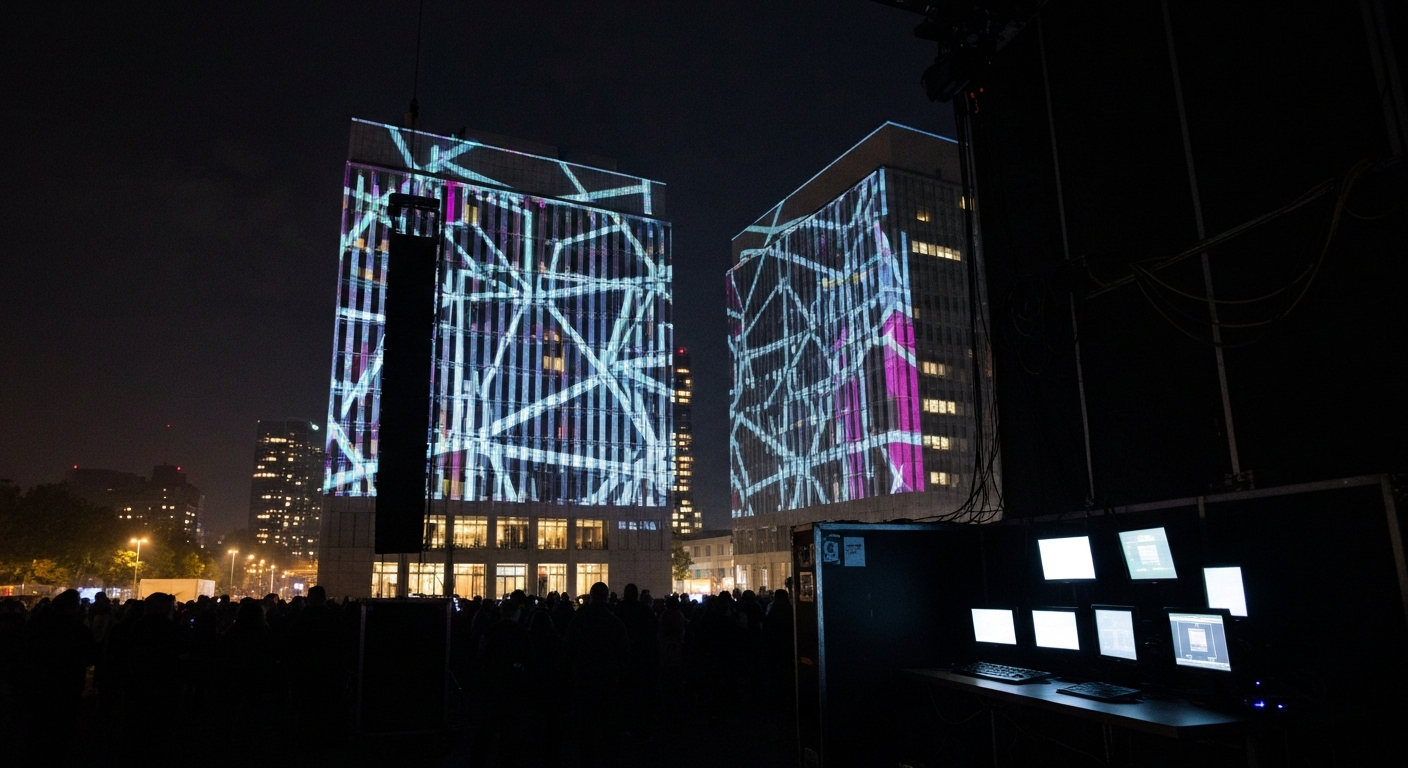
How projection mapping quietly reshaped the live-event playbook
Fifteen years ago, projection mapping was a novelty. Today it's an expectation. Here's how a niche technical practice became table-stakes for brand activations, concerts, museums, and festivals - and what the next five years look like.
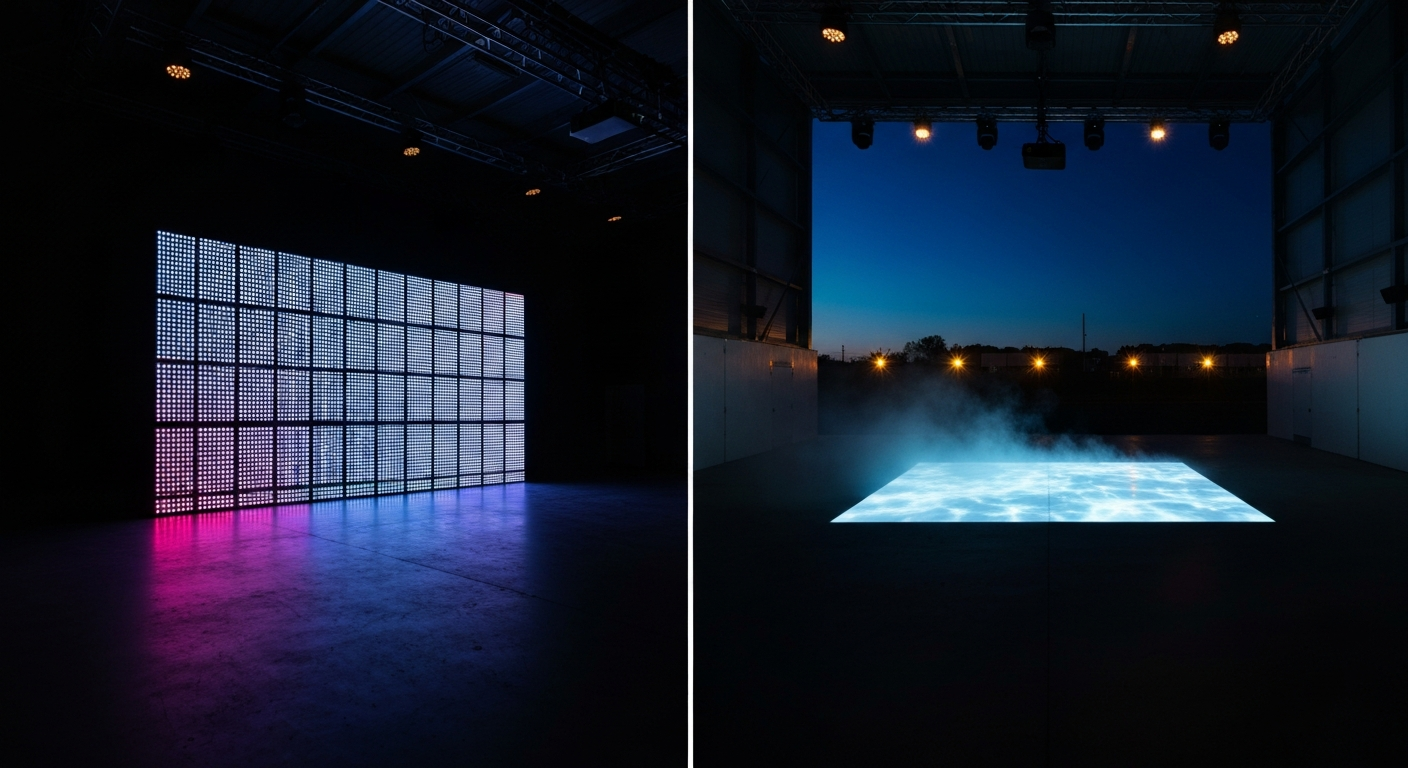
LED walls vs projection: when to use which
LED has eaten a lot of real estate from projection in the last five years, but it hasn't replaced it - and the reason is specific. Here's the practical decision tree for choosing one or the other on a large-format install.
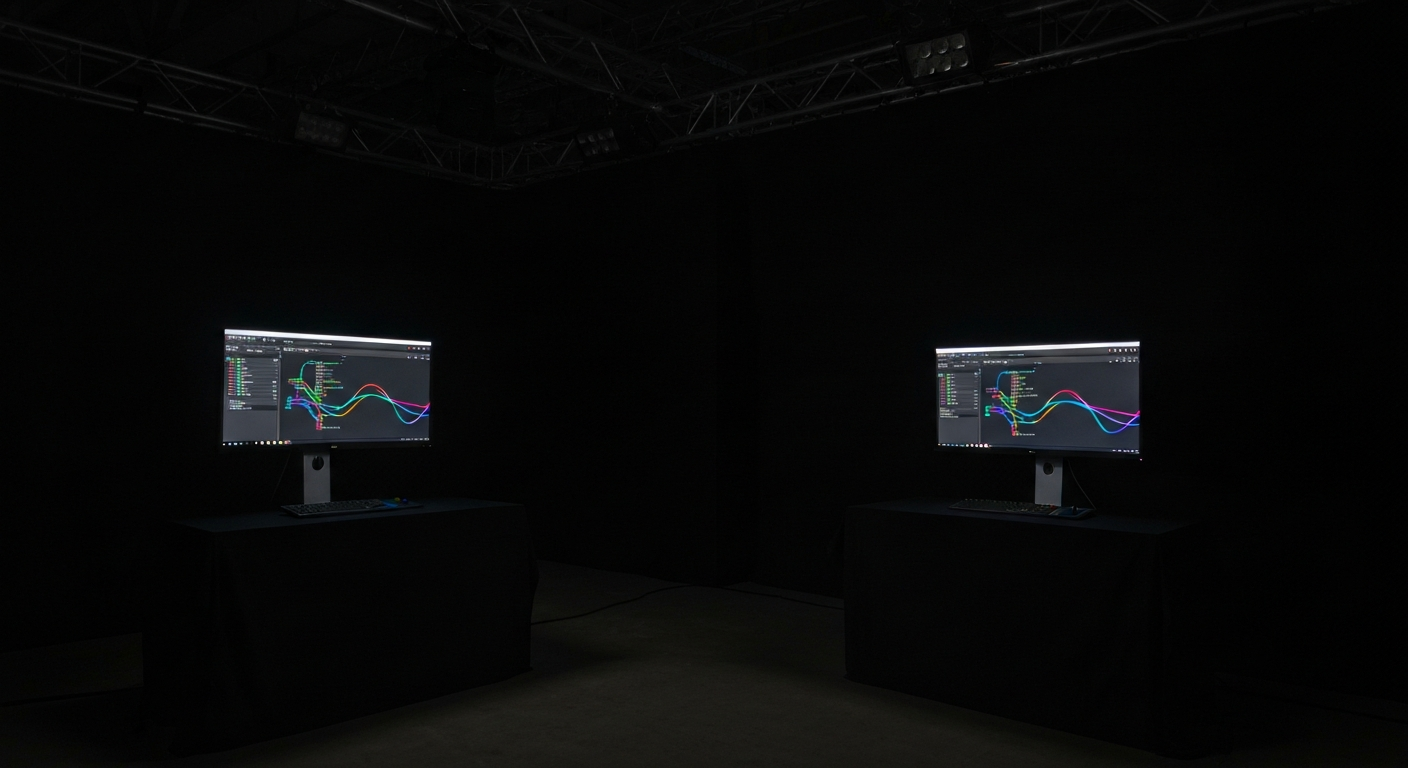
Notch vs TouchDesigner: picking the right real-time tool
Both tools run the same GPU math underneath. The difference is what they're optimized for - and getting this choice wrong can cost a team weeks. Here's the practical breakdown.
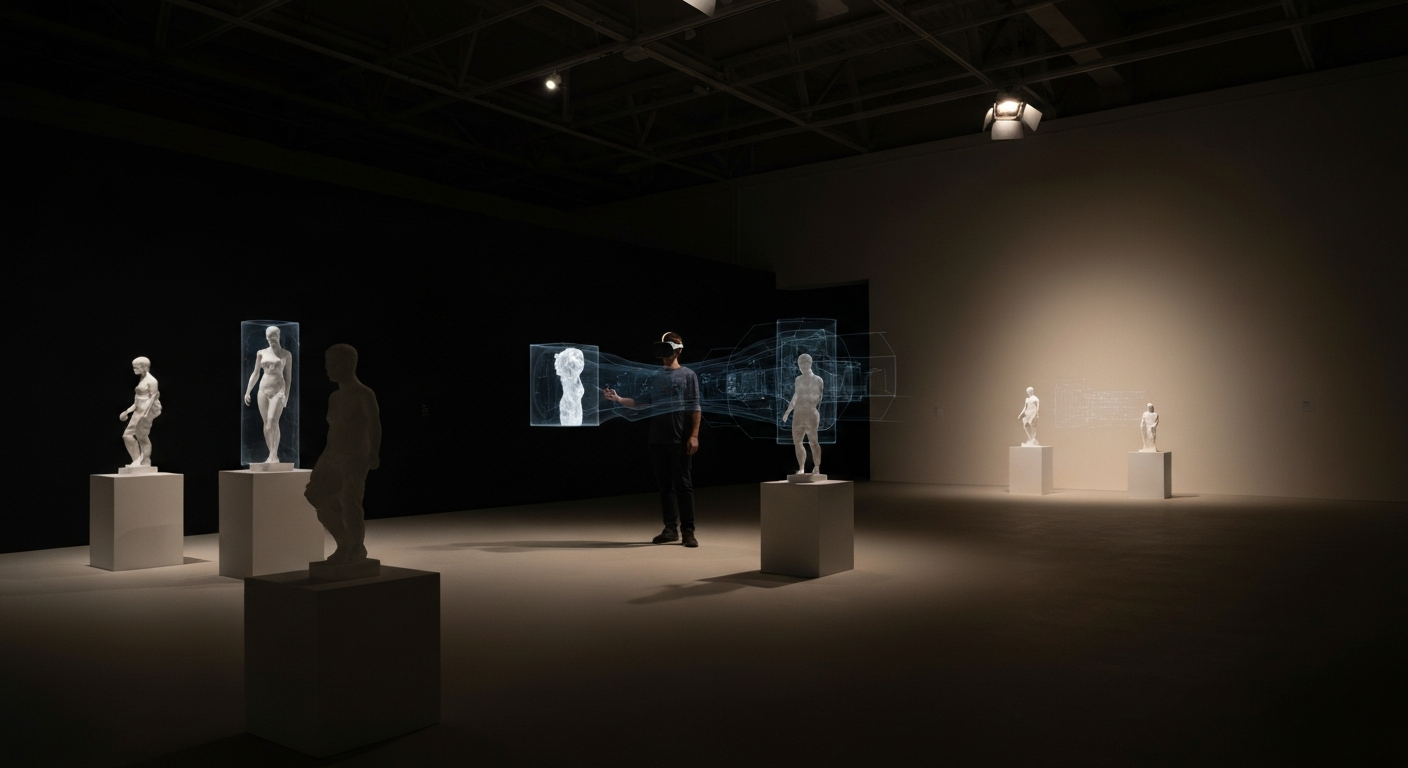
The future of mixed reality as an installation medium
AR and VR have spent a decade promising to be the next big installation medium. In 2026, the reality is more interesting and more modest than the hype suggested. Here's where mixed reality actually fits.
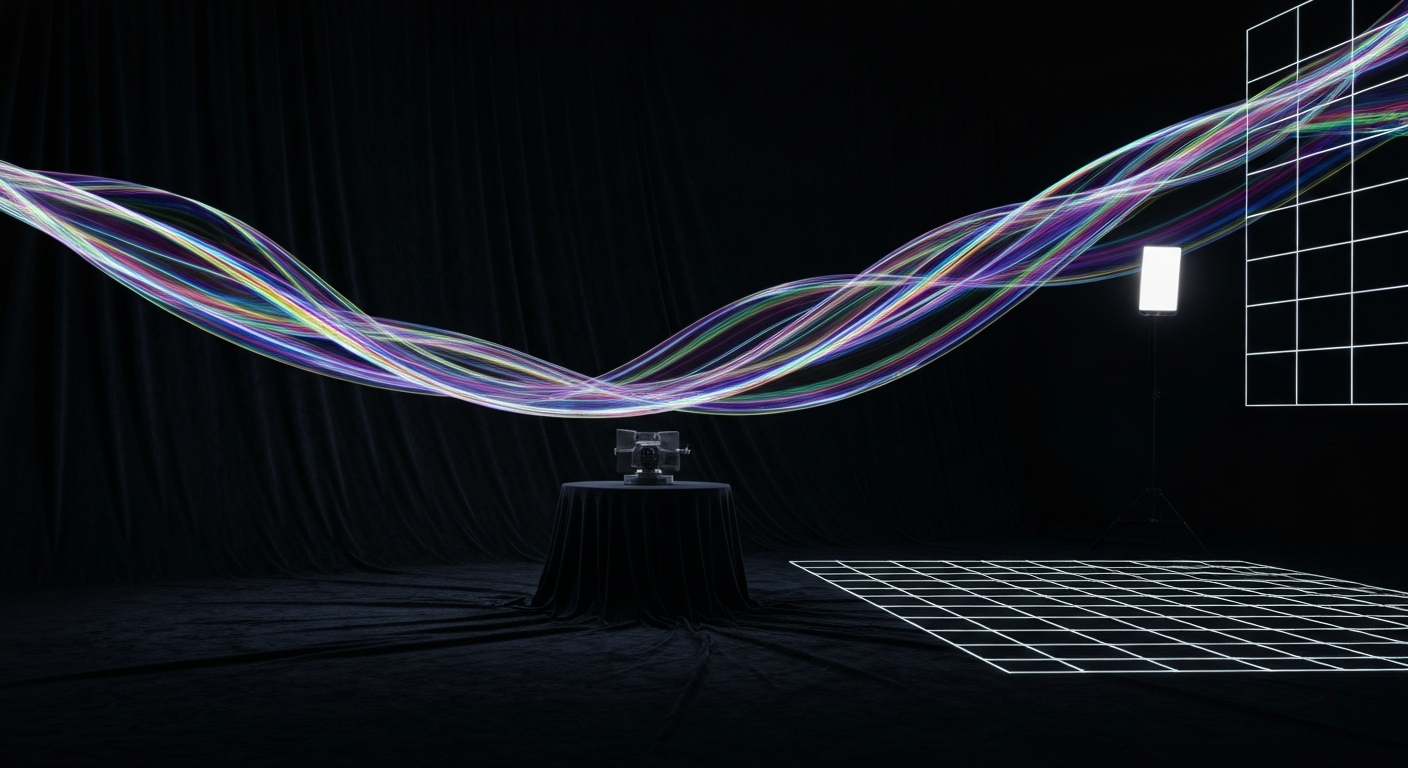
Shaders: the building blocks of immersive visuals
Every immersive installation you've ever been impressed by runs on shaders - tiny programs the GPU executes for every pixel, thousands of times a second. Here's what they actually are, what they can do, and why they changed what immersive content can be.
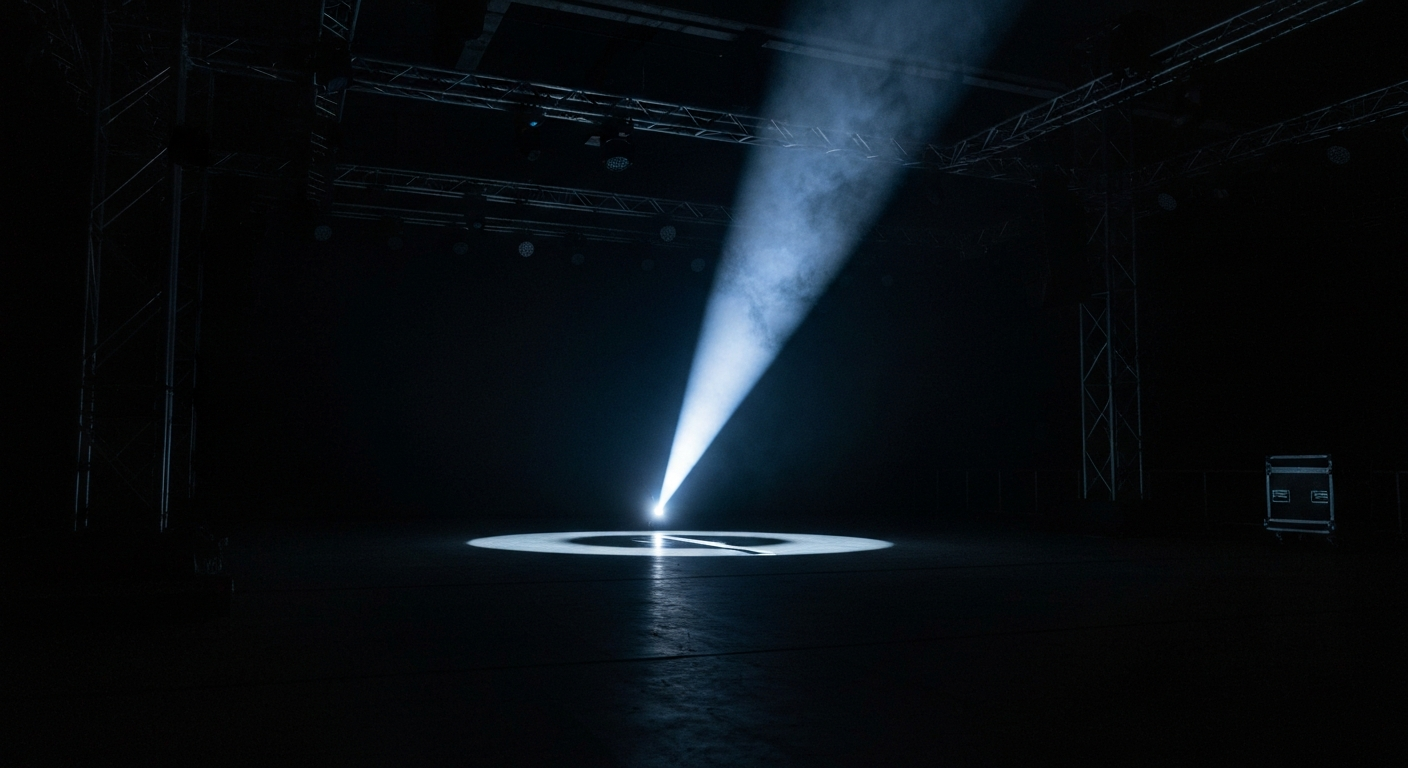
The physics of projection: why dark venues actually matter
"Just turn the projector up" is the most common wrong answer in event production. Here's why projector brightness only partly solves room-light problems, and what venue design should actually be doing.
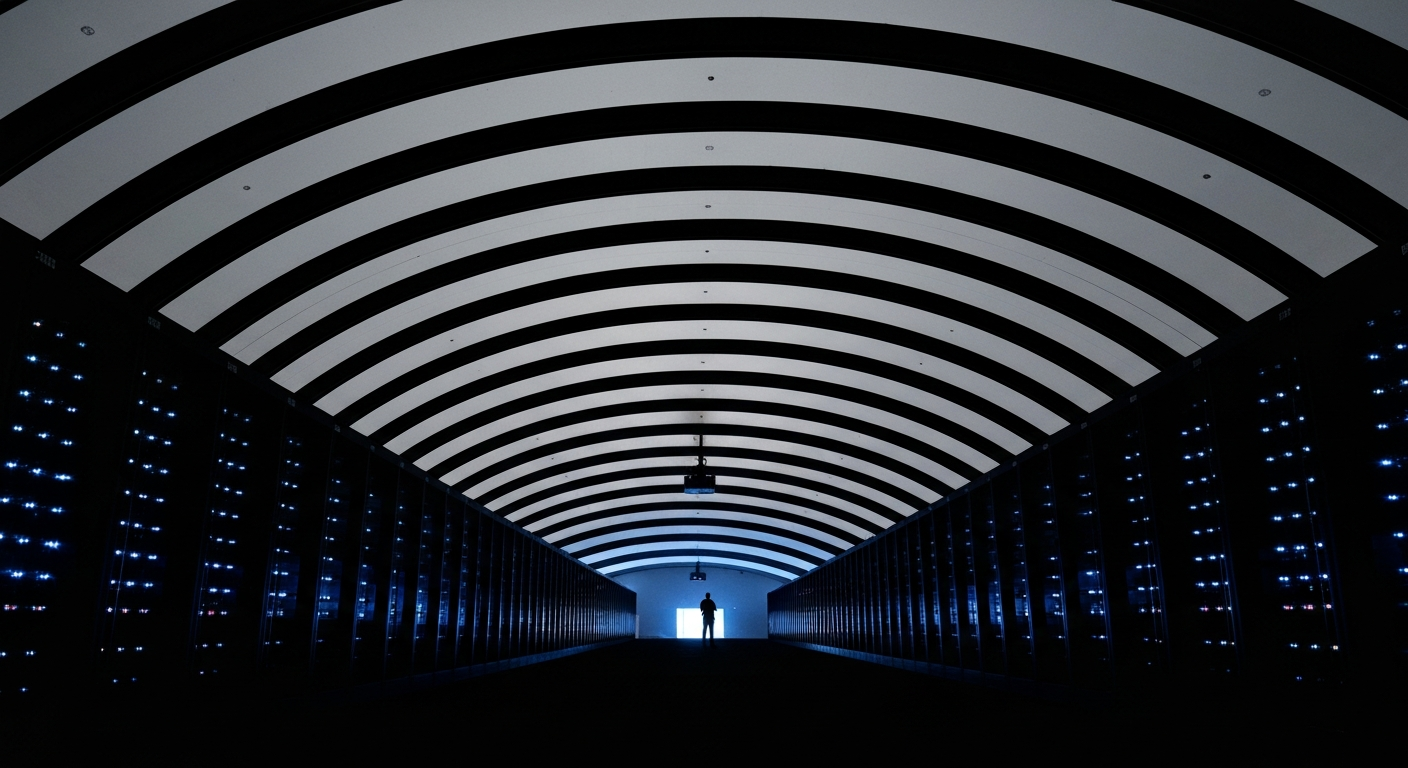
Designing for curved surfaces: a fulldome primer
If you're making content for a projection dome and you've only ever worked in flat pixels, your editor is lying to you. Here's what fulldome actually expects, and how to not ship stretched pixels.
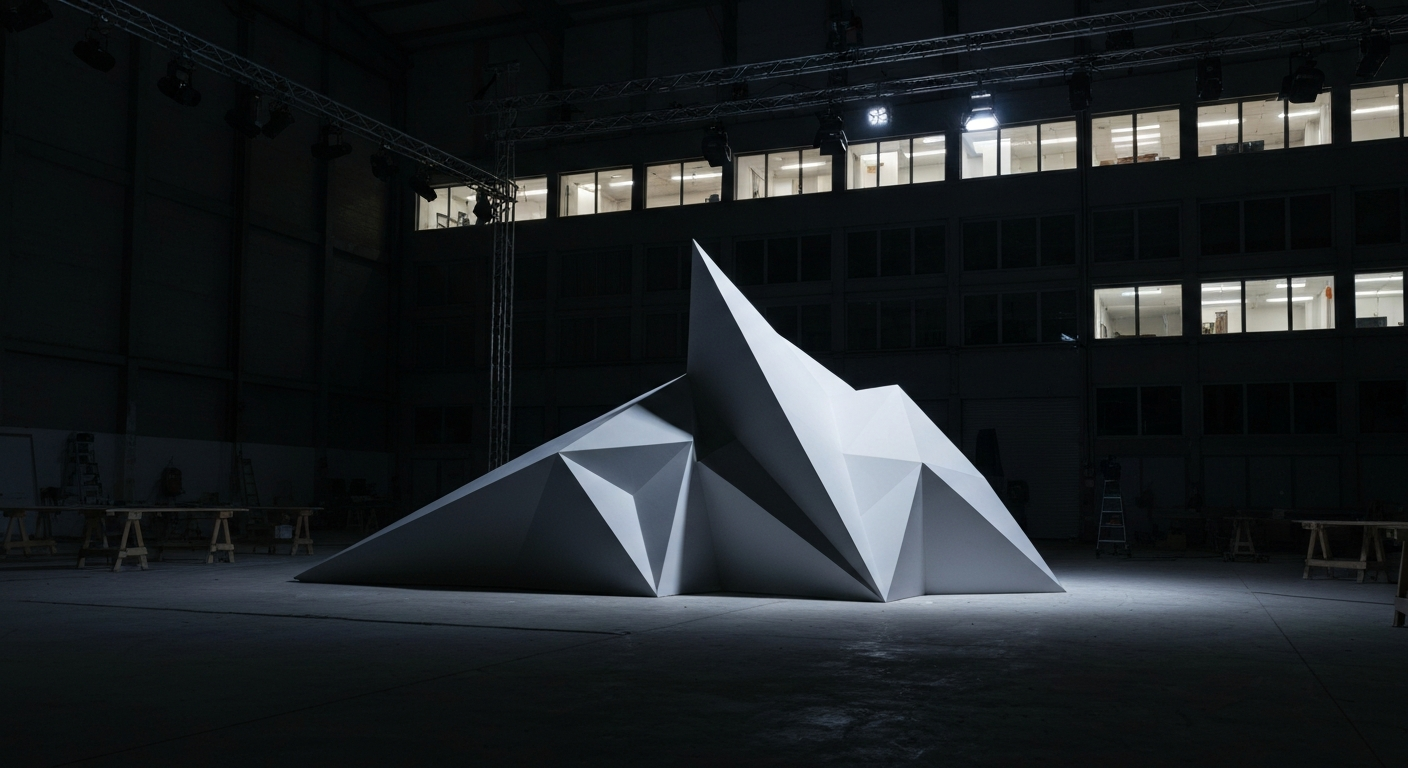
Fabricating for projection: your surface is the show
A perfectly mapped projector aimed at the wrong surface produces a bad show. Here's what fabrication needs to know about projection - matte paint, seam placement, and why the wall is more of the story than the pixels.
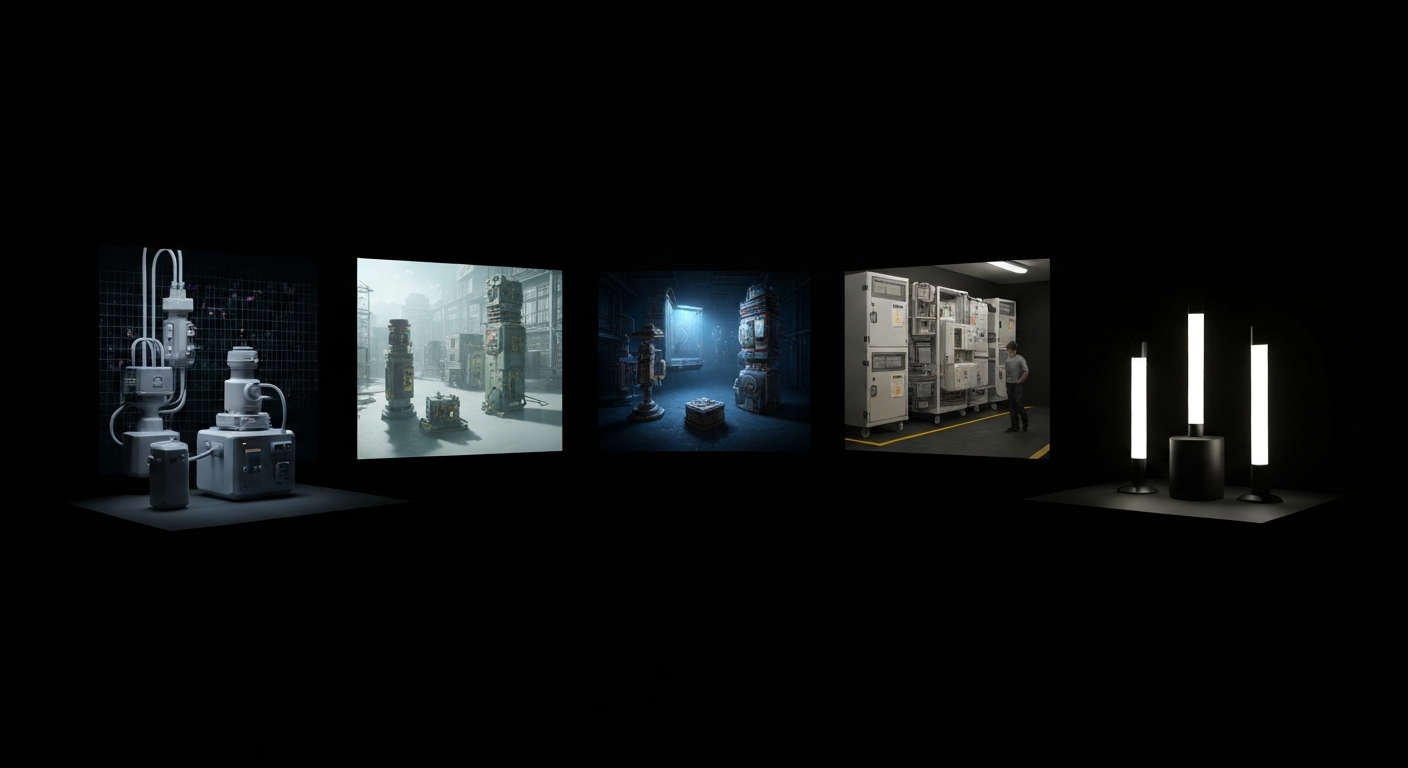
WebGL, Unity, or Unreal: picking a runtime for interactive installations
Three solid options for interactive installation runtime, three different constraint sets. Here's how to pick the right one without learning the lesson the expensive way.
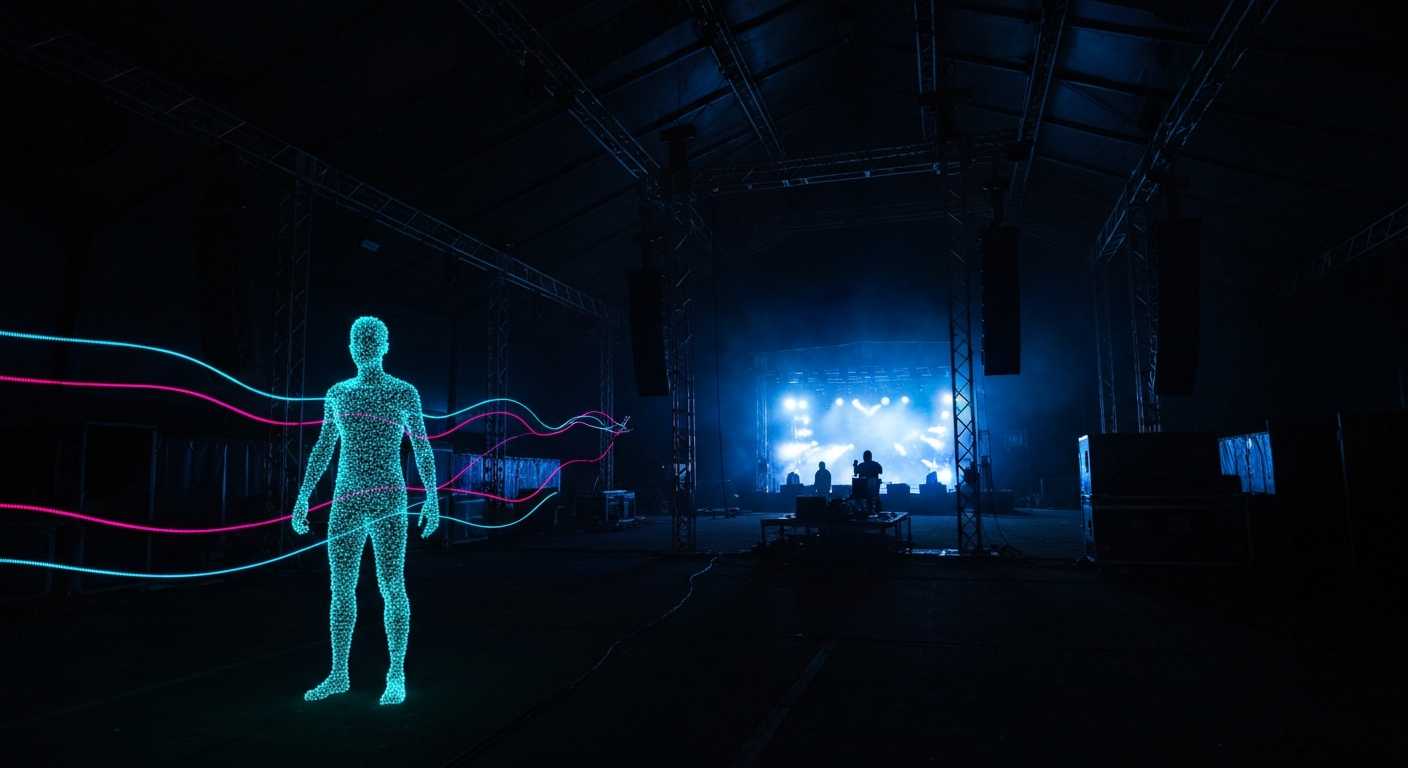
Sensor-driven interactivity: LiDAR, cameras, and computer vision
The boring way to make an installation interactive is to put a touchscreen in it. The interesting way is to let the space itself sense the audience. Here's a working field guide to the sensor tech behind hands-free interactive installations.
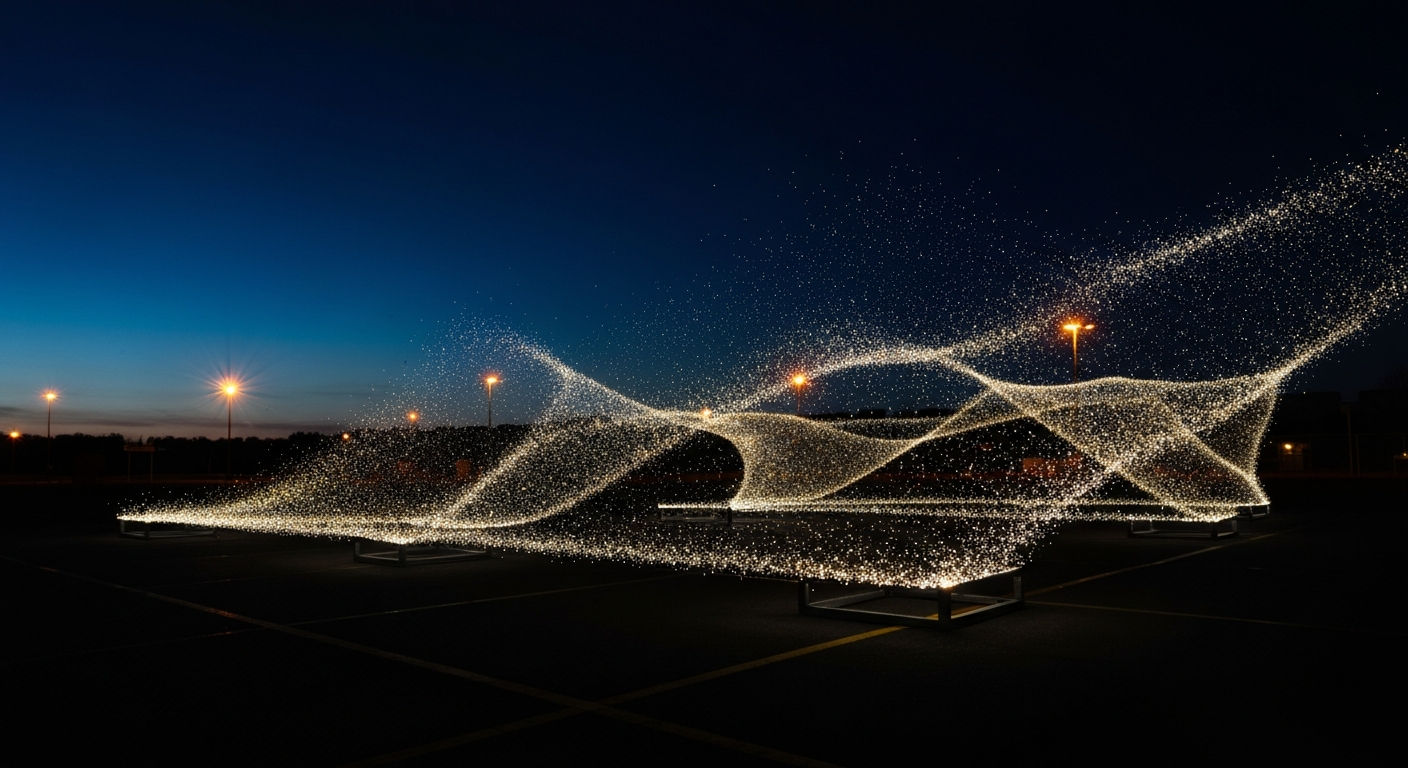
Generative over pre-rendered: when real-time content wins
Pre-rendered video has been the default for immersive installations for twenty years. It's also increasingly the wrong default. Here's when real-time generative content is the better answer and how to tell the difference.
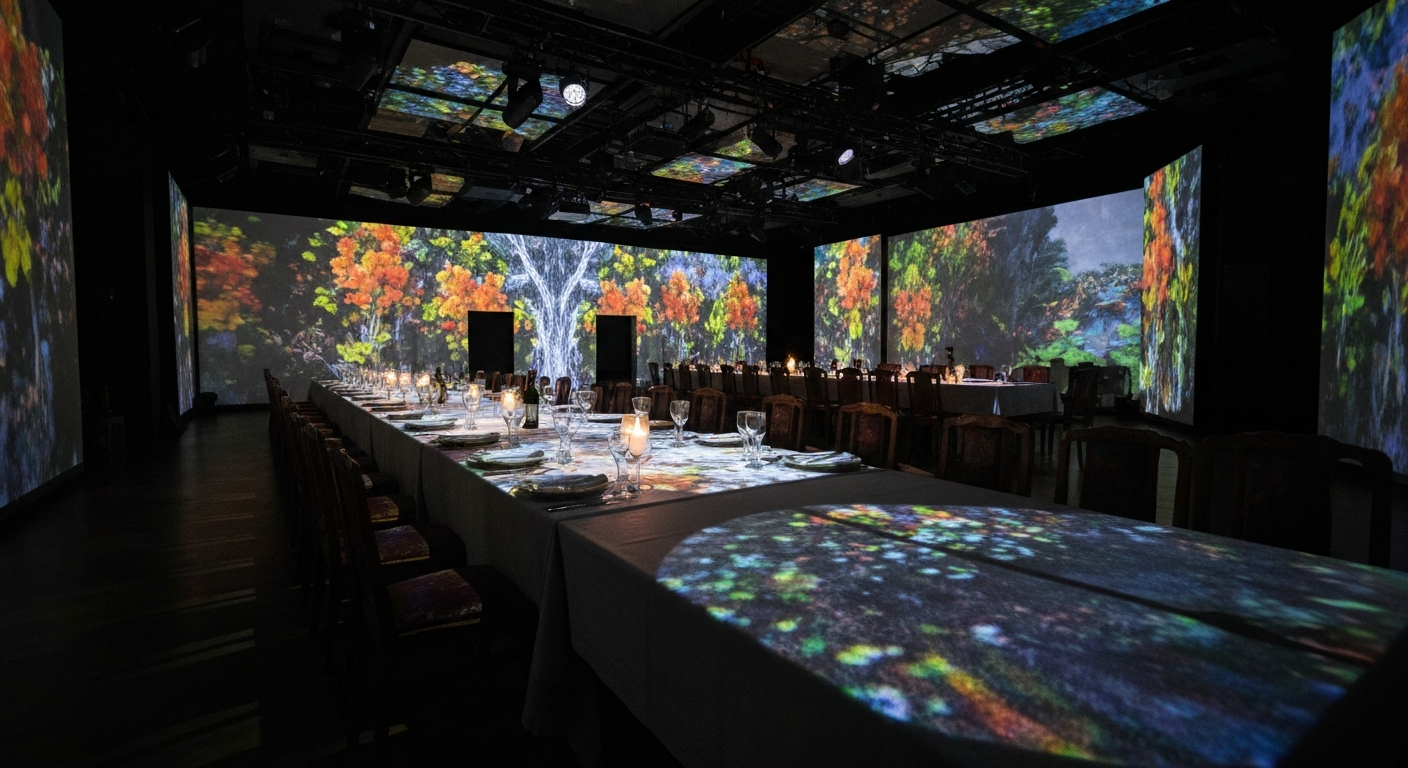
The rise of immersive dining and themed environments
Themed restaurants, immersive dining experiences, and built-to-wow retail spaces have quietly become a significant driver of the immersive-tech industry. Here's what's happening and why.
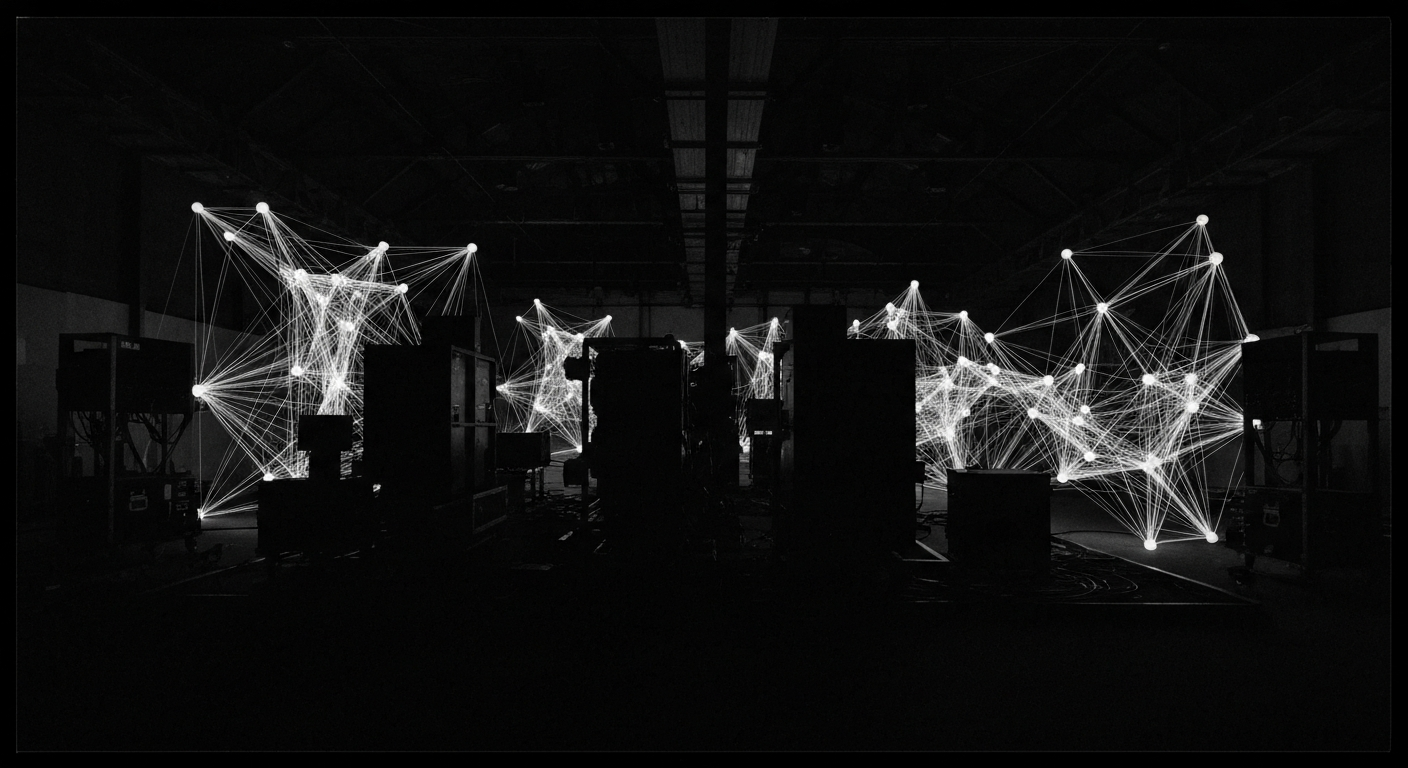
AI-assisted content production: what's actually useful in 2026
The last three years produced a lot of AI tooling for visual production. Some of it genuinely changed how studios work. Most of it is still marketing. Here's what's actually delivering, and what isn't.
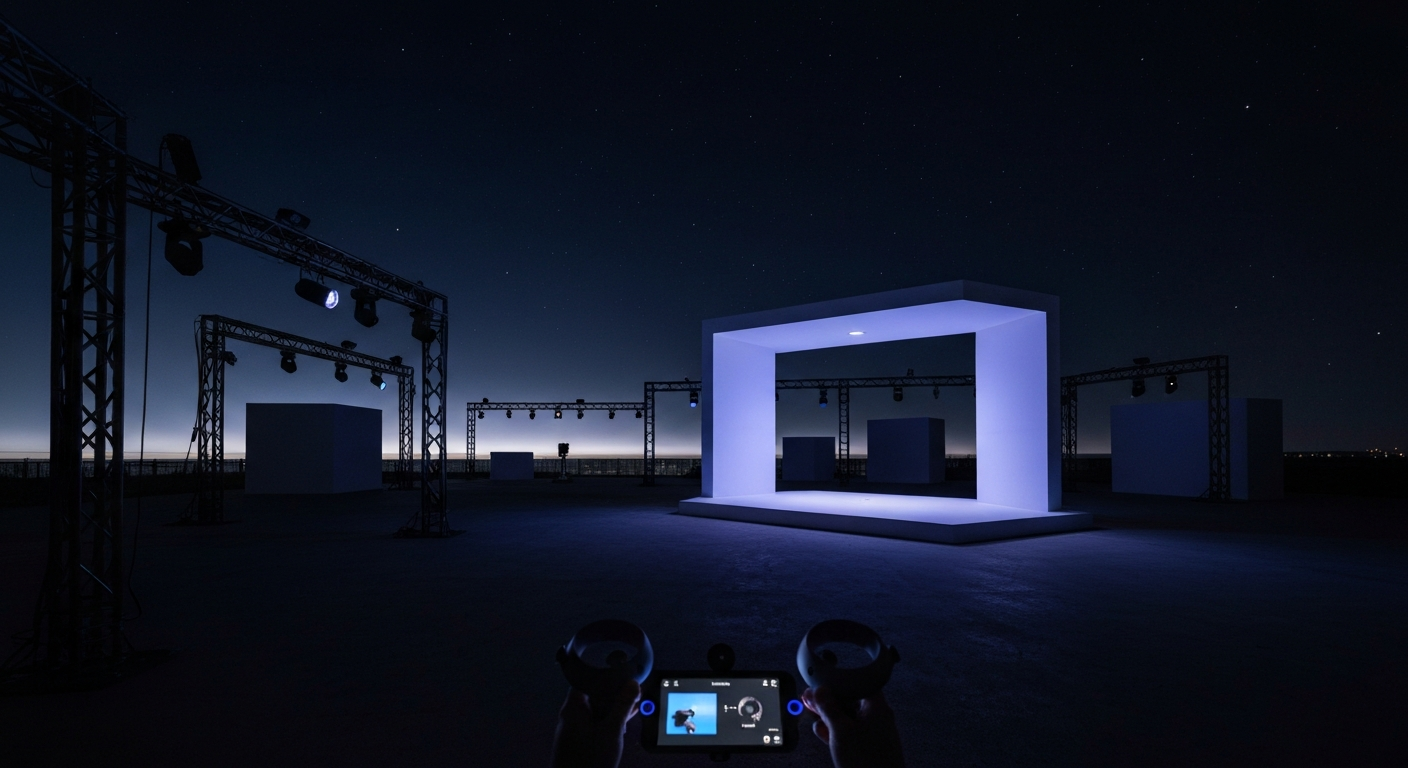
Designing for VR comfort: motion, scale, and the first 30 seconds
VR is the most powerful presence medium ever invented and the most effective one at making people feel sick. The difference between the two is design - specifically, how the first 30 seconds of the experience work.
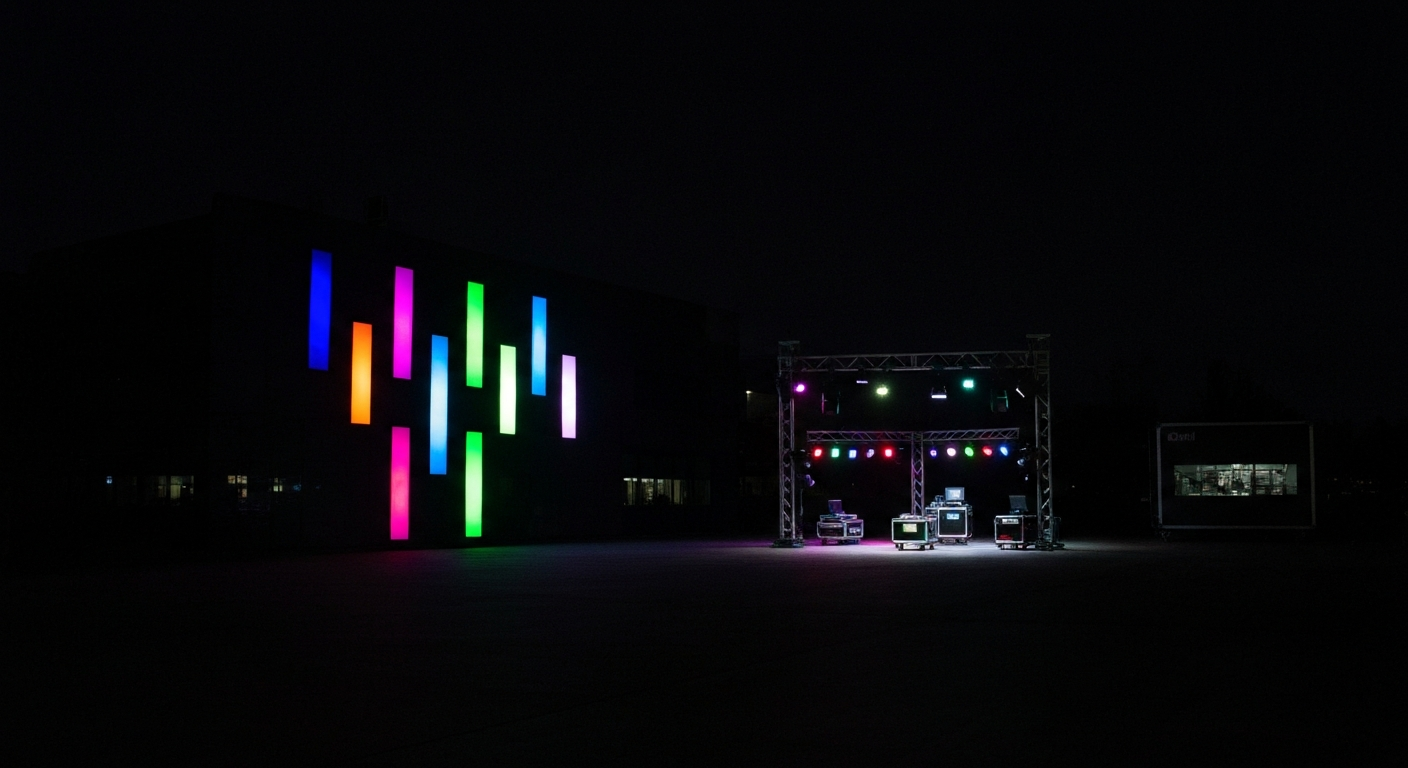
Color in immersive: HDR, wide gamut, and projector reality
Content teams ship HDR and wide-gamut masters. Projectors and LED walls then render a fraction of what the master contains. Here's why, what to do about it, and how to deliver content that looks right in the room instead of on the editor monitor.
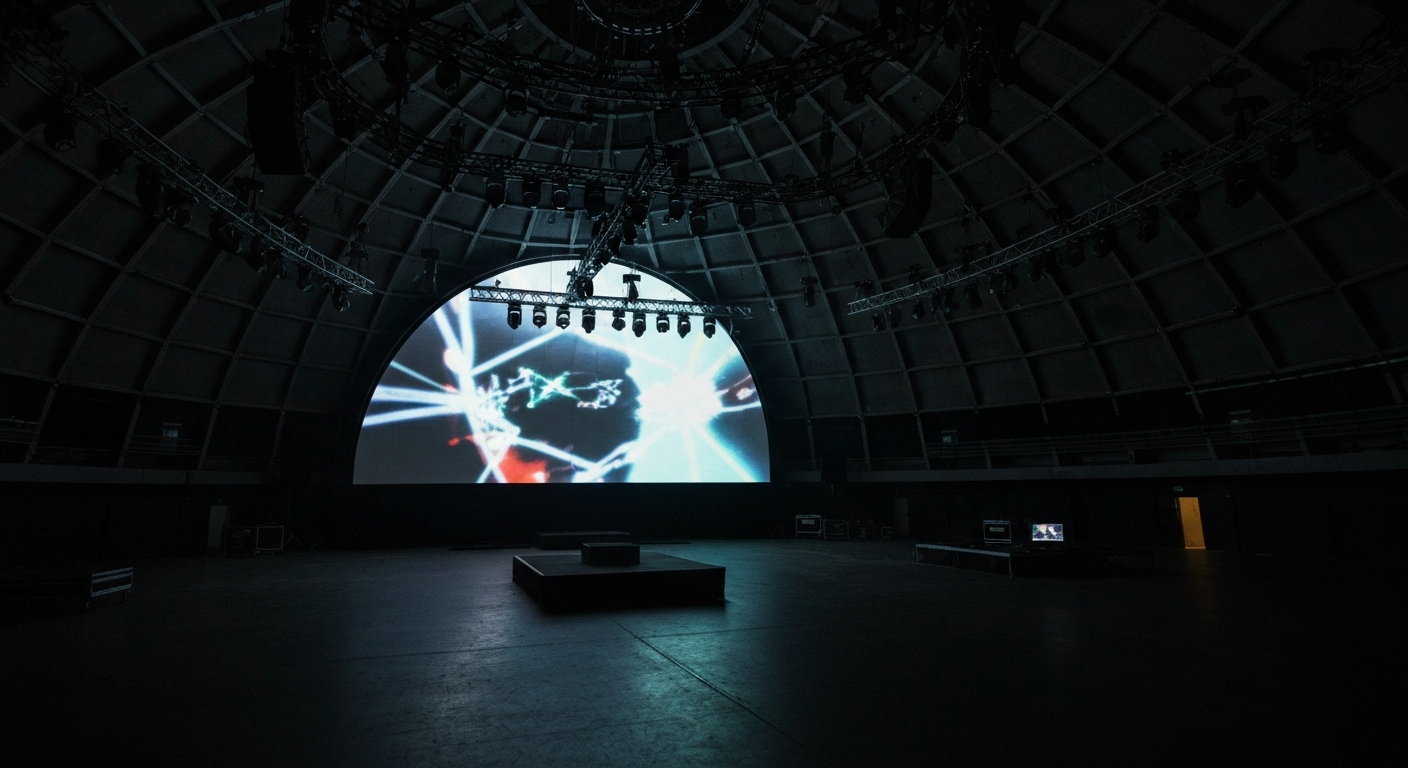
Why most concert projection domes get it wrong
Closed projection domes are fantastic for cinematic installations and terrible for live music. The reason is design, not technology - and it's worth understanding if you're building or booking a dome venue.
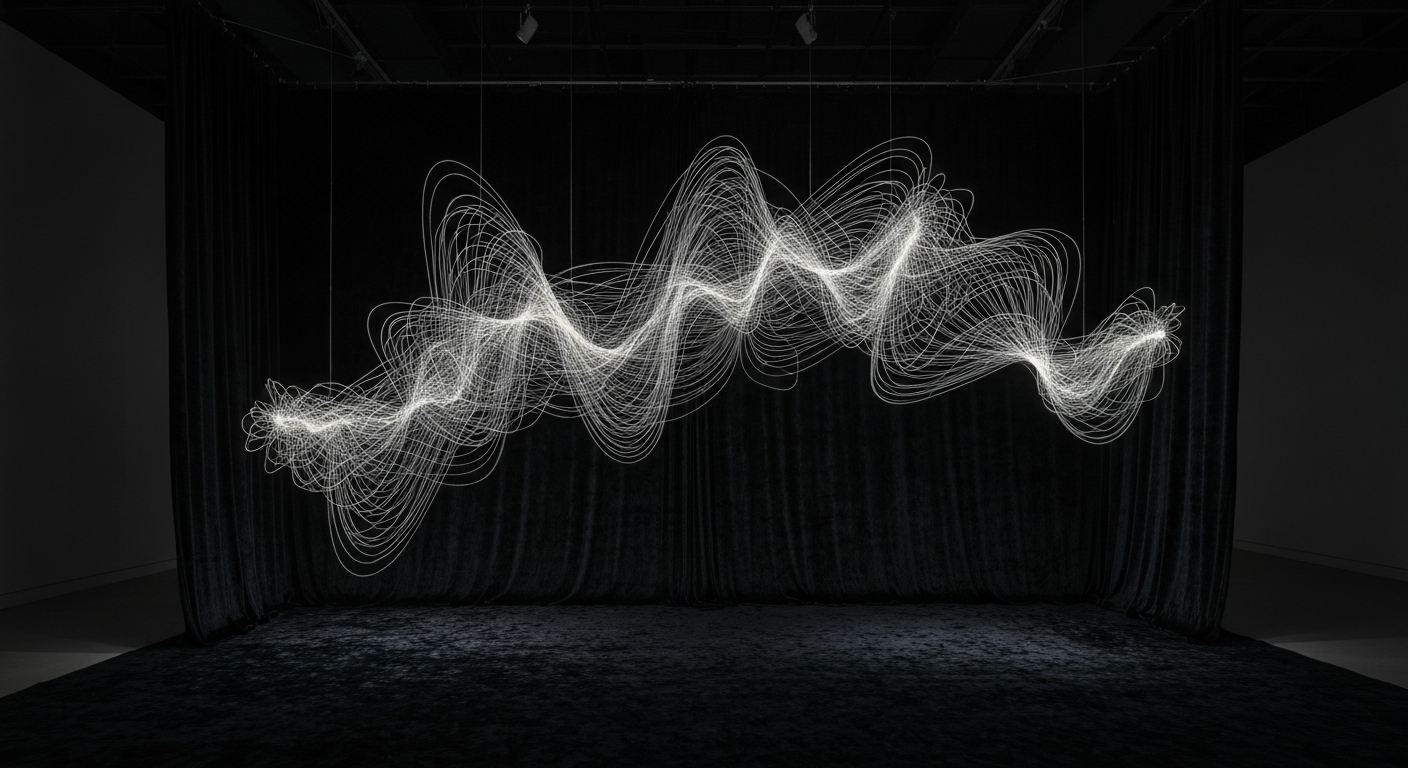
The machine-learning wave in real-time generative art
Real-time generative art has been driven by hand-authored shaders and particle systems for decades. ML is starting to change that - and it changes what the medium can do.
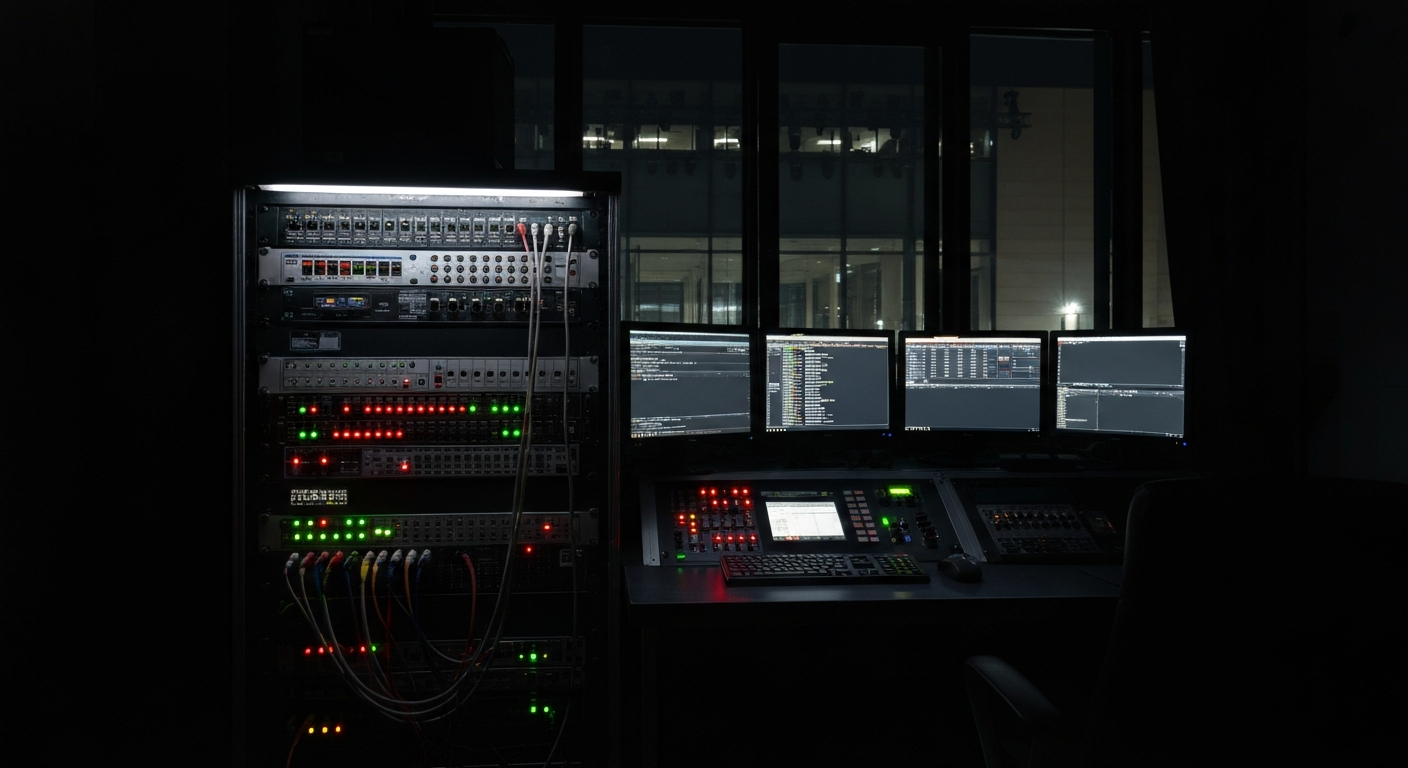
Show-control software: build, buy, or hack together
Every immersive installation eventually needs something to trigger cues, coordinate media, and talk to the hardware. Here's the actual decision matrix for building vs buying show-control software.
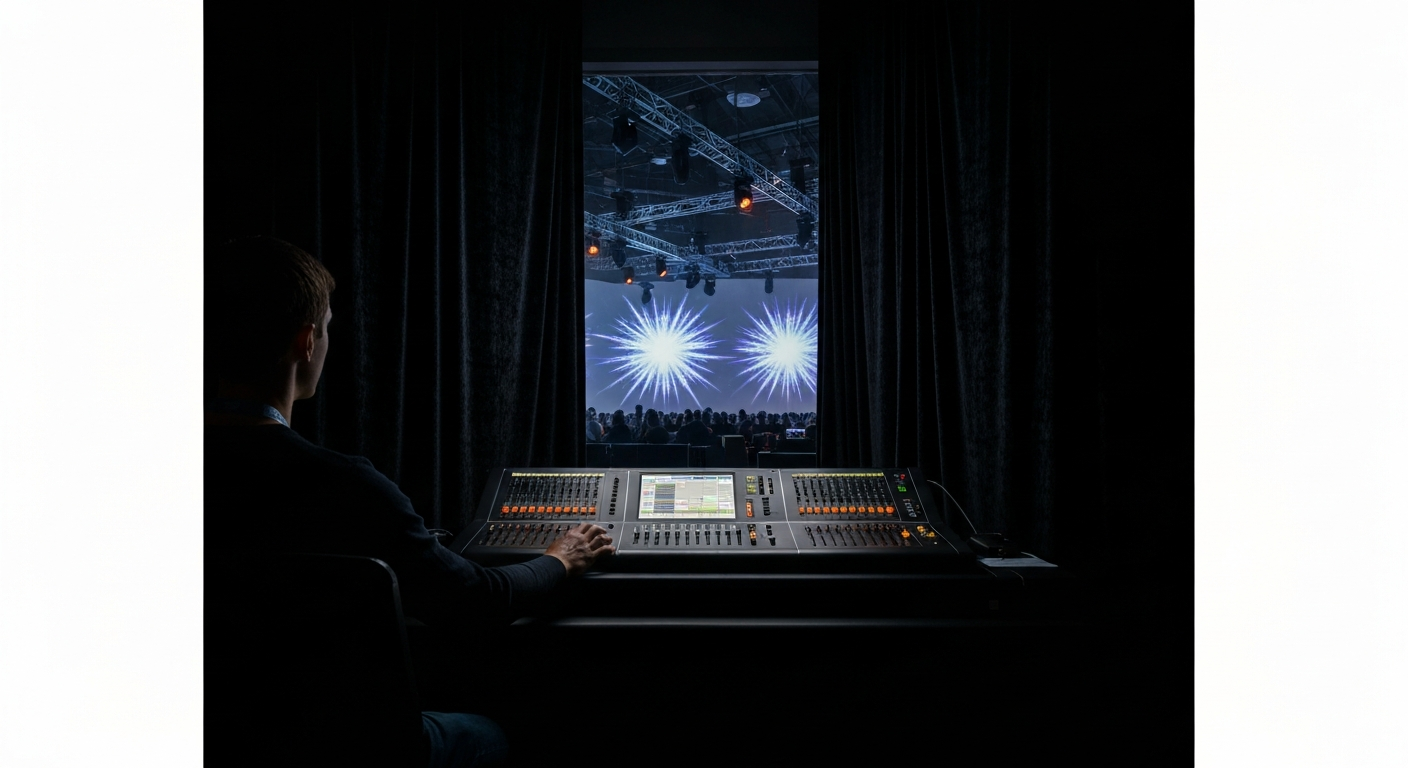
Why live operators still outperform automation in event production
Everyone predicted that show-control automation would replace human operators by now. It hasn't, and the reason isn't sentimentality. It's that humans are better than algorithms at the specific things live shows demand.
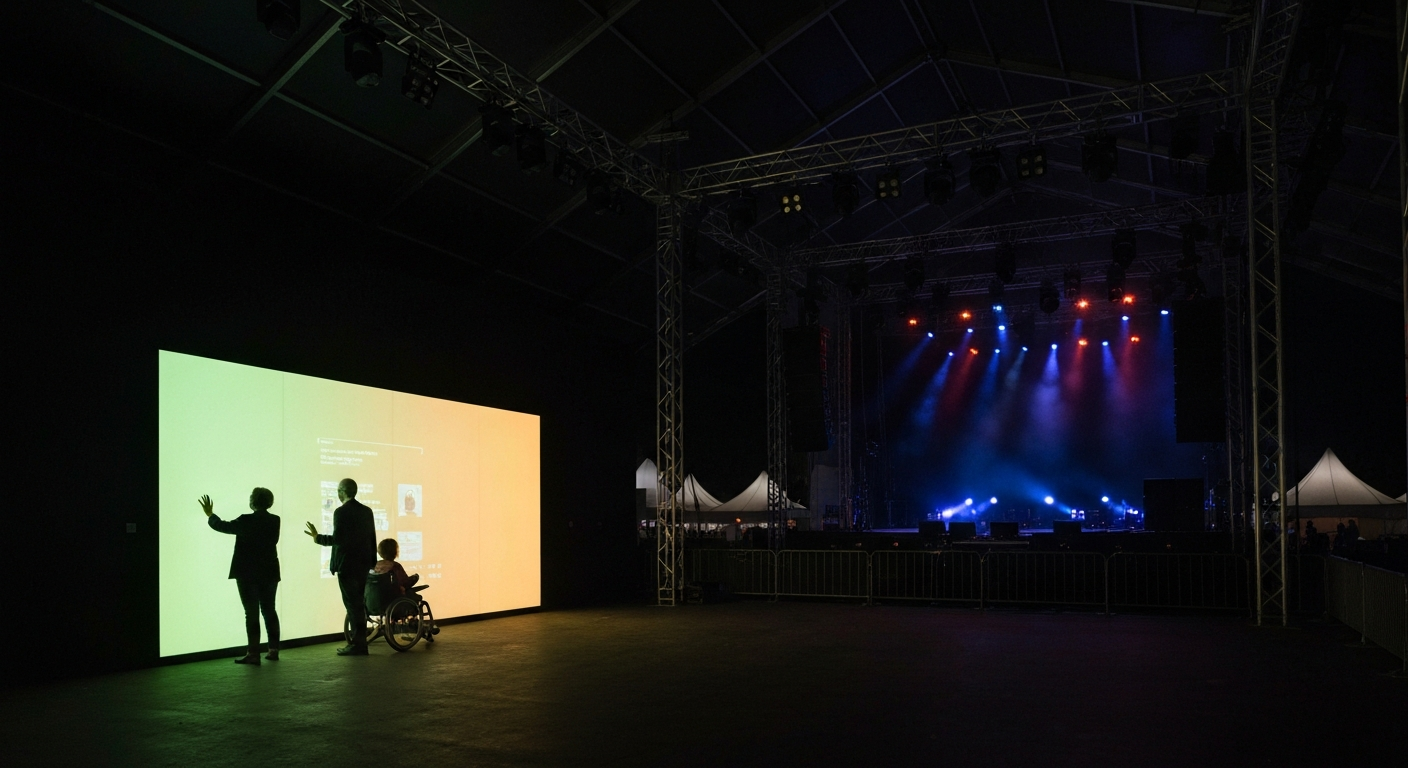
Accessibility in interactive installations: making public tech work for everyone
An interactive installation that only works for average-height, fully-sighted, English-speaking adults is an installation that's turning away most of its visitors. Here's what accessibility actually looks like for physical interactive work.
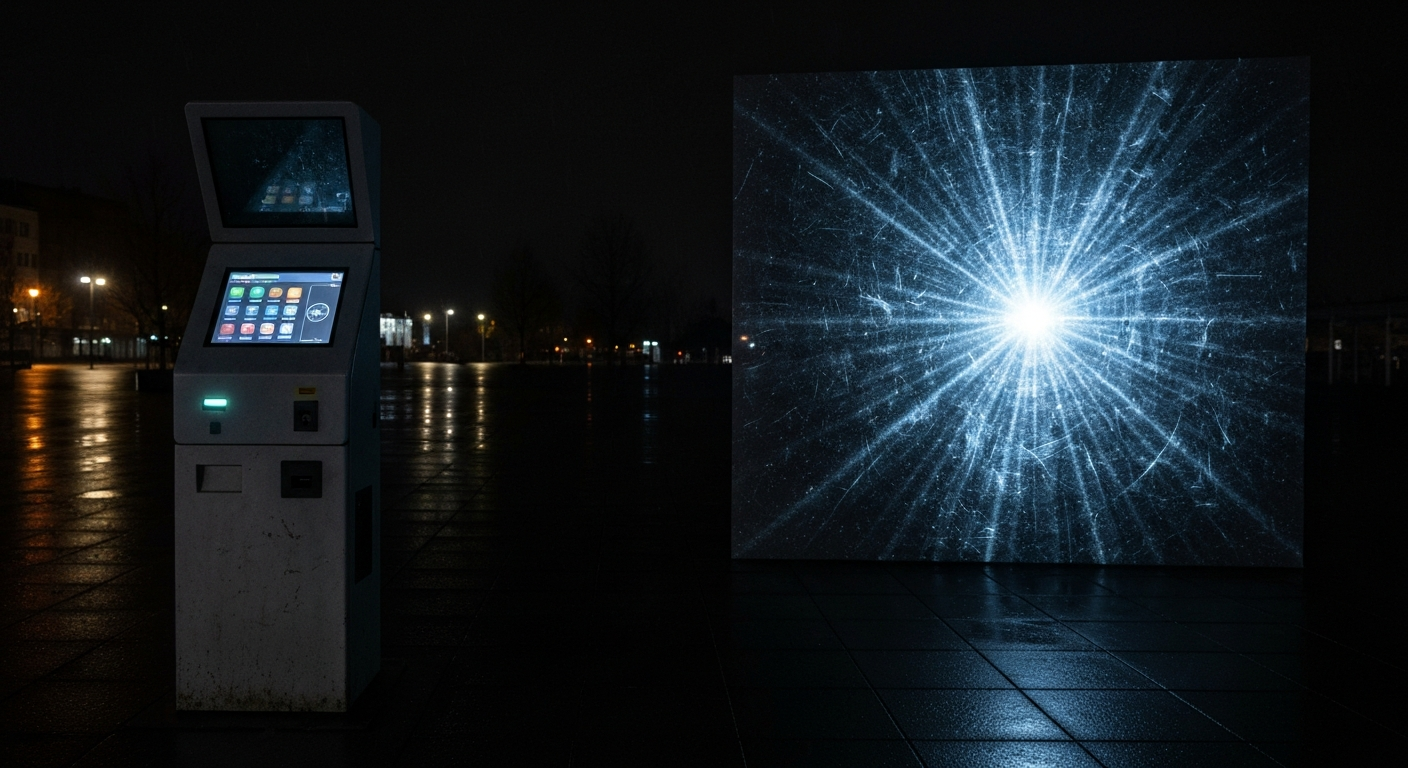
Building kiosks that last: public touchscreens are not web apps
A touchscreen that runs 12 hours a day in a museum lobby has almost nothing in common with a website. Here's what the difference actually is, and why most kiosk software is worse than it needs to be.
Get Signal in your inbox.
New transmissions, project postmortems, and the occasional unreasonably long post about shaders. No spam. Unsubscribe anytime.